
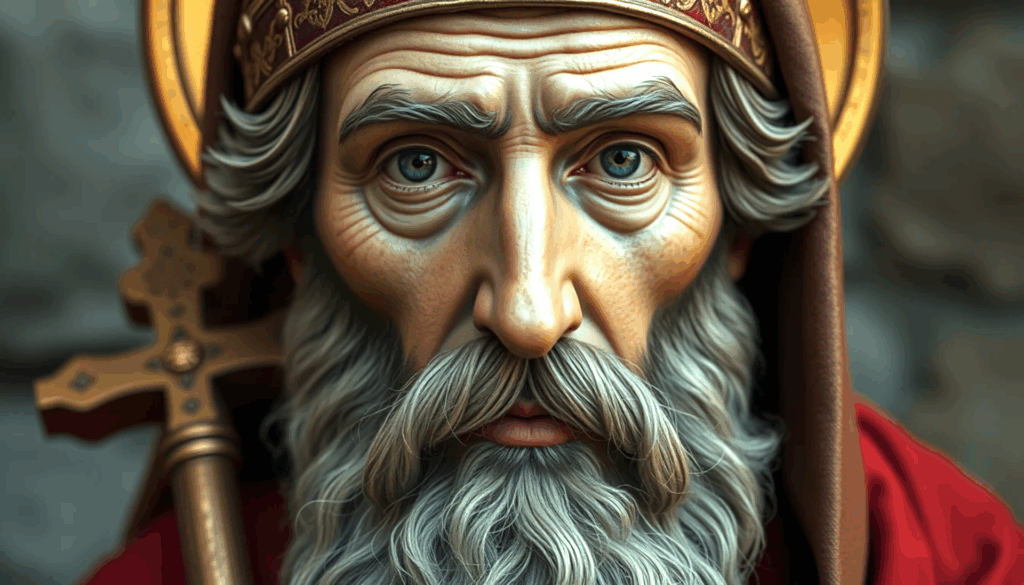
Pagan Determinism and Christianity Part 2 – Augustine’s Gnostic Influence – Pastor Mike Spaulding

This is Part 2 of the series.

To summarize what the early church fathers and even Augustine himself taught until 412 A.D., Dr. Ken Wilson states:

The early Augustine’s traditional theology (My note – what orthodox Christianity taught at the time) pervasively asserts that humans can respond to God without divine assistance. “But miserable friends could be masters of this world if they were willing to be sons of God, for God has given them the power to become His sons” (On True Religion, 65). Contrary to the Manichaean misinterpretation of Ephesians 2:3 (“were by nature children of wrath” meaning at birth), Augustine denounced alienation from God by nature, “Remember what the apostle said, ‘In our lifestyle (behavior) we are alienated from God,’” and, “Augustine said: ‘I say it is not sin, if it be not sinned by one’s own will; hence also there is [a] reward, because of our own will we do right’” (Against Fortunatus the Manichaean, 21). Augustine clarifies that his free will statements concern current persons, not merely Adam’s original nature.[1]

Continue reading

Pagan Determinism and Christianity Part 1 – Augustine’s Gnostic Influence

I have been teaching through the book of Ephesians recently. It has been a rich and satisfying study. One of the primary things I have discovered in researching and writing on Ephesians 2 is the role that Augustine (354-430) played in undermining orthodox Christian theology concerning the place of free will. He did this by mixing Gnostic determinism with his Christian theology. The result has been devastating as will be shown in this series of posts.

In Ephesians 2 Paul takes back up the subject of what Yahweh has done for us in Christ that he began earlier in this letter, and the result of Jesus’ willing sacrifice for us on Calvary. In returning to the subject of believers, Paul starts at the beginning in verse 1. He says rightly, that “you were dead in your trespasses and sins.” The KJV reads, “And you hath he quickened, who were dead in trespasses and sins;” “hath he quickened” is in italics to indicate those words are not found in the majority text from which the KJV translators worked and were added to the text by the translators. Unfortunately, this addition has created a problem for us today.

Continue reading